From a single cracked joint to full commercial restoration — tap any service below for the full detail.
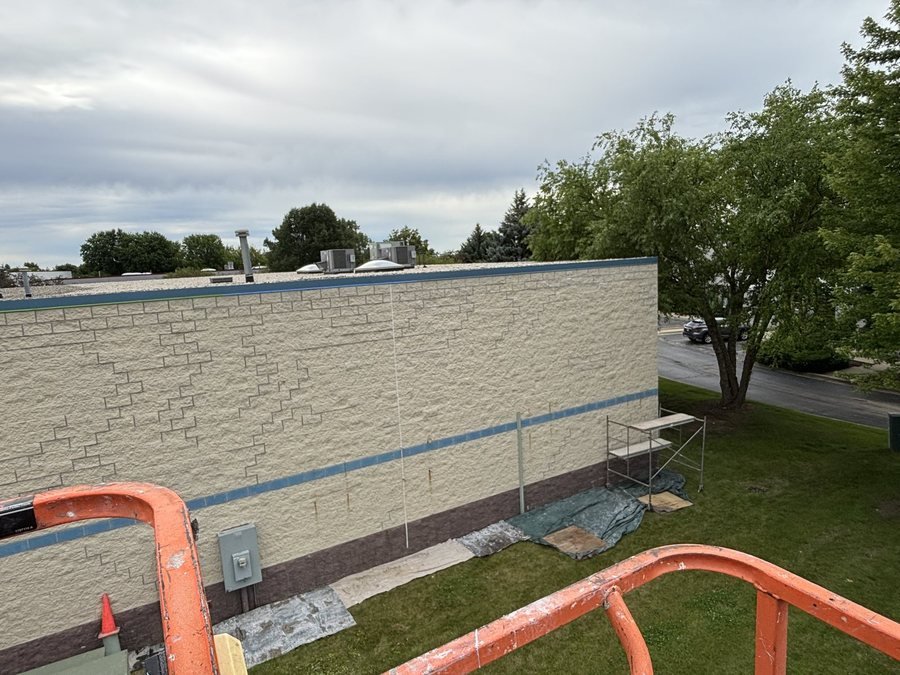
Mortar is the sacrificial layer in a brick wall — it's designed to fail before the brick does. When joints crack, crumble, or recede, water gets behind the face of the wall, and every freeze-thaw cycle pries it open a little further.
We cut the failed mortar out to the correct depth, clean and prep the joints, and repoint with mortar matched to your existing brickwork in color, texture, and joint profile. Cutting too shallow is the most common shortcut in this trade, and it's why cheap tuckpointing fails within a few winters.
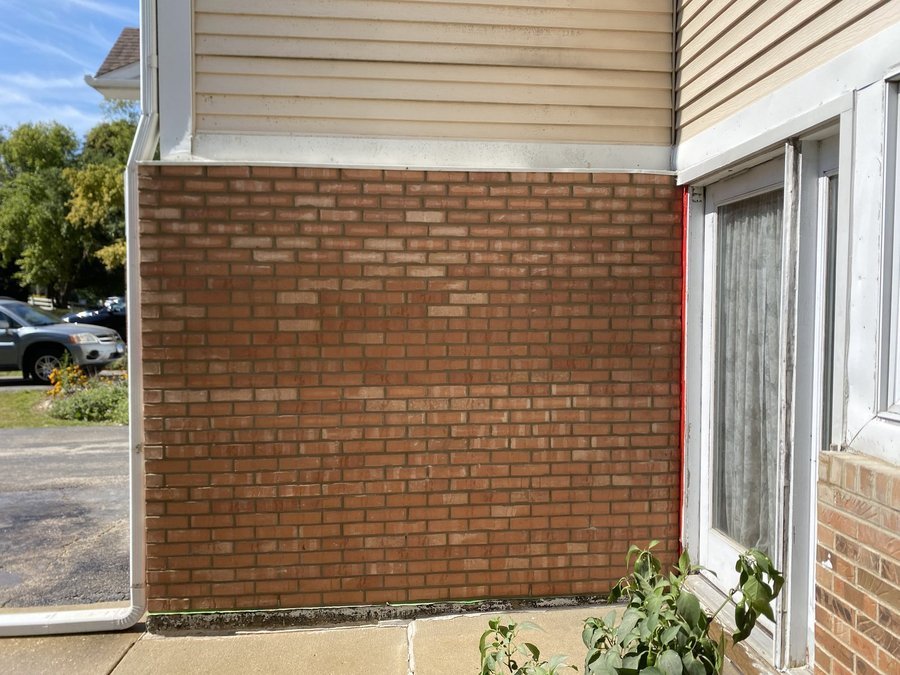
Spalled brick — where the face pops off and leaves the soft interior exposed — usually means moisture got in and froze. Left alone, the damage spreads to the units around it.
We cut out the failed brick, block, or stone and replace it with the closest match we can source in size, color, and texture. On older buildings an exact match doesn't always exist, and we'll tell you that up front rather than surprising you at the end.
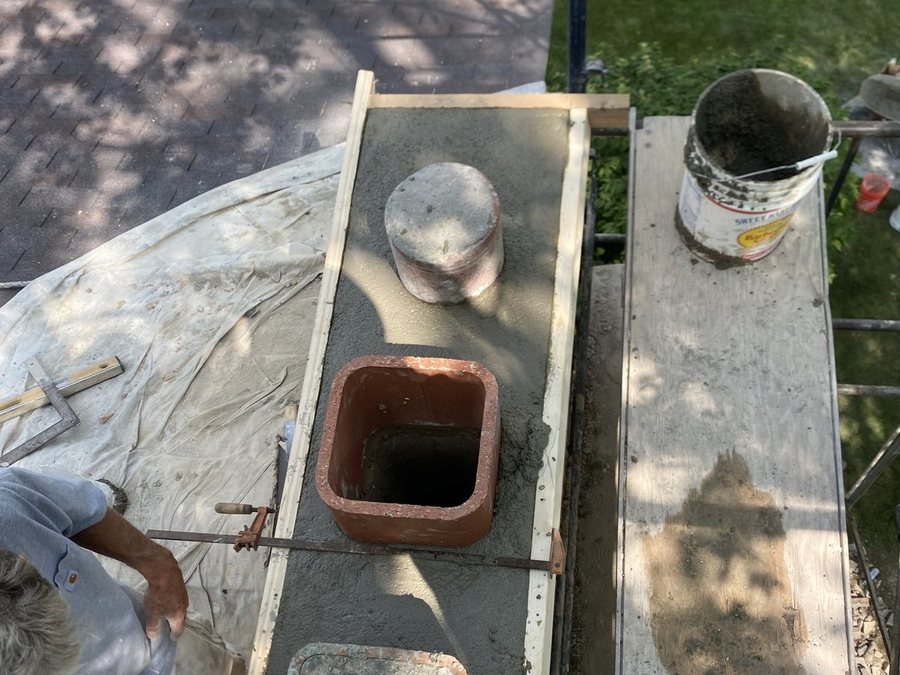
Your chimney takes more weather than any other masonry on the property — exposed on all four sides, top to bottom, with nothing shielding it. It's almost always the first thing to go.
We handle everything from repointing and brick replacement to rebuilding the top courses, plus custom-formed concrete caps poured with a proper overhang and drip edge so water sheds away from the brick instead of running down it.
Failed sealant is one of the most common sources of water in a wall, and one of the least expensive to fix — if you catch it early. We do this as standalone work, not just as an add-on to a bigger job.
We cut out the old sealant rather than caulking over it, prep the joint, and install new sealant rated for the movement it needs to handle. Common trouble spots:
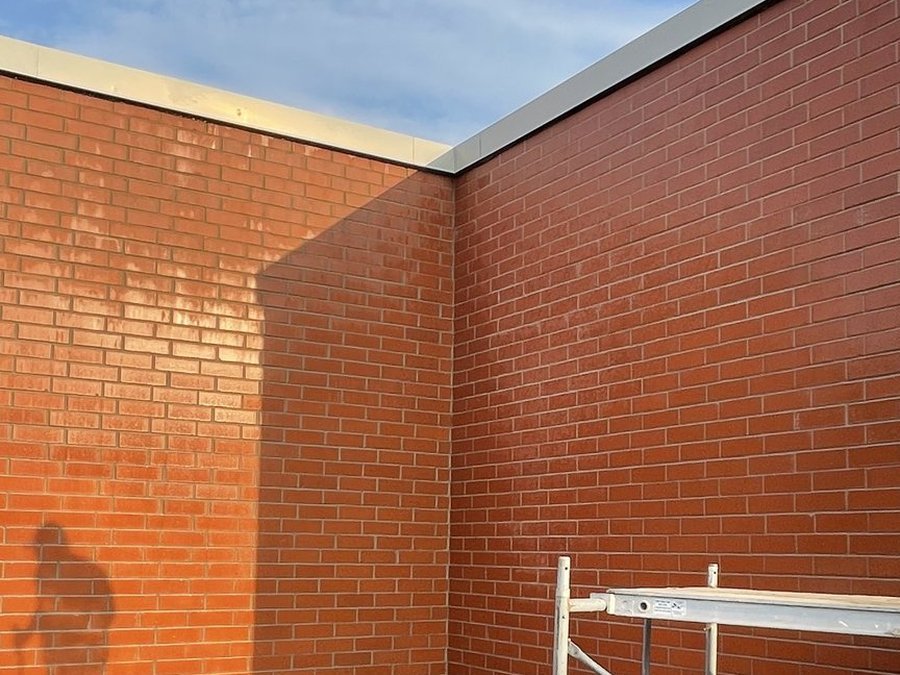
A stain on an interior wall almost never starts where it shows up. Water travels — it can enter thirty feet away and run along a ledge or flashing before it finds a way in.
We trace the likely entry point before recommending a repair, because sealing the wrong spot costs you money and leaves the leak running. Depending on what we find, the fix may involve repointing, sealant, flashing repair, crack routing, brick replacement, or a combination.
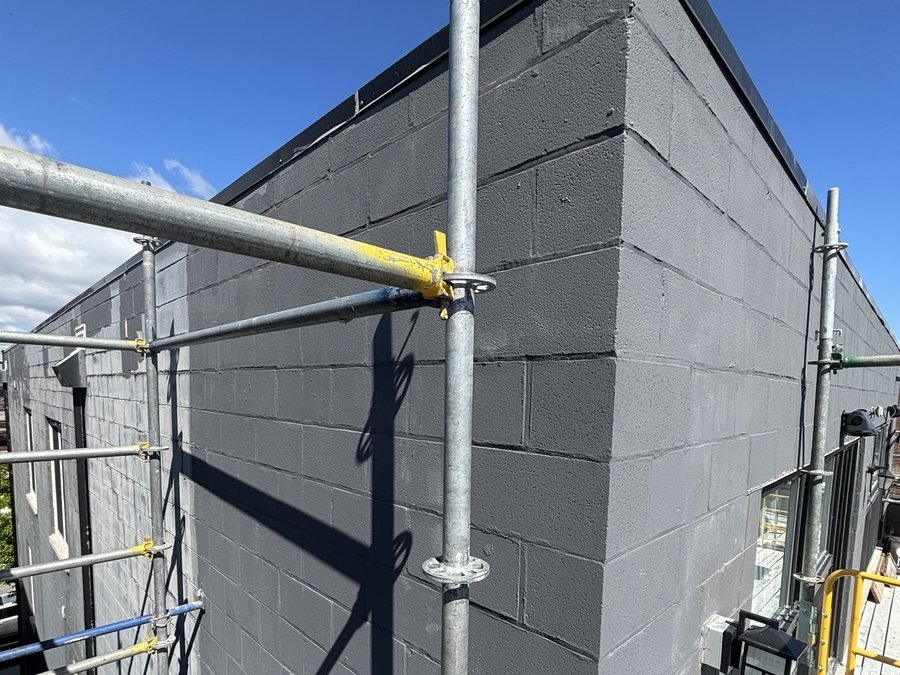
Masonry is not drywall — it needs to breathe. The wrong coating traps moisture inside the wall and accelerates the damage it was supposed to prevent.
We evaluate the substrate and its condition first, prep properly, and use products compatible with the material. This is exterior masonry work specifically — brick, block, stone, and concrete — not general painting.
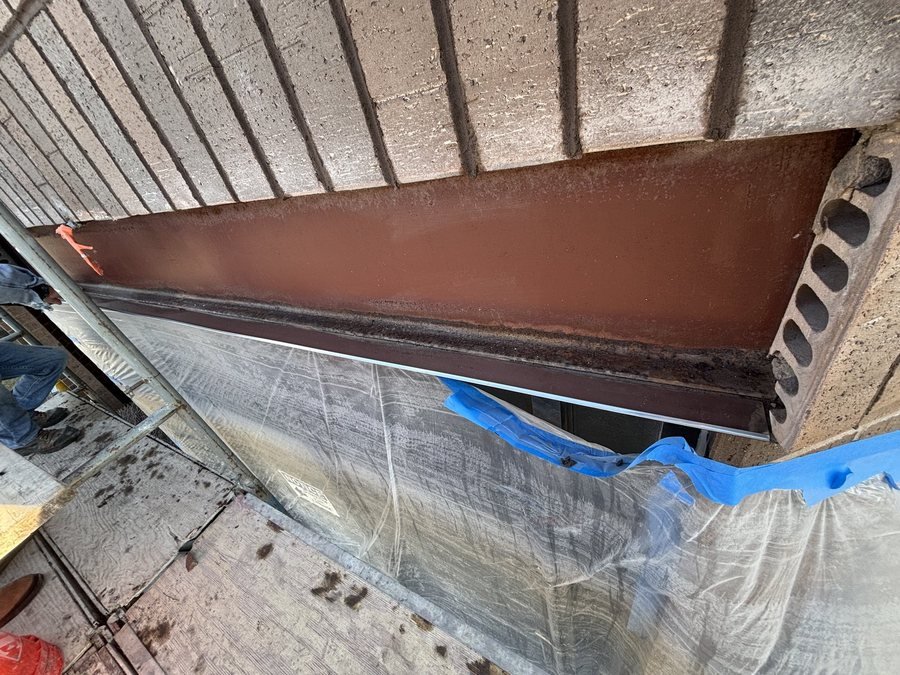
Window sills and lintels are engineered to move water away from the opening. When a sill cracks or the flashing above it fails, that water goes straight into the wall and often into the interior.
We replace deteriorated limestone sills, repair the masonry around lintels, address flashing at the openings, and reseal the transitions — solving the drainage problem rather than covering the stain.
We take on the concrete work that pairs with masonry restoration — cracked or spalled steps, damaged caps, deteriorated sections, and localized surface repair.
We're a masonry restoration company, not a flatwork contractor. If your project is a new driveway or a full foundation pour, we'll tell you straight and point you toward someone who does that work daily.
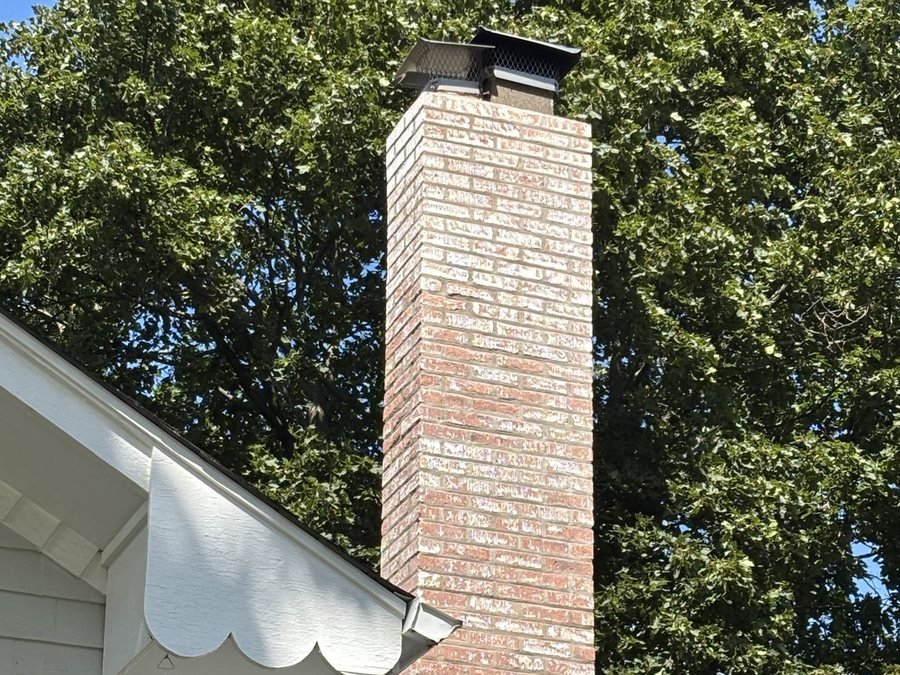
A breathable water repellent can meaningfully extend the life of a wall — but only on masonry that's already sound. Sealing over failed joints just traps the water that's already inside.
We repair first, then treat. The right product depends on the substrate and the moisture source, and we'll explain why we're recommending what we're recommending.
Pressure is the fastest way to ruin old masonry. Too much PSI blasts the face off soft brick and scours out mortar joints, turning a cleaning job into a repair job.
We match the pressure and method to the substrate — brick, block, stone, concrete, or mixed façades — to lift dirt, staining, and biological growth without damaging what's underneath.
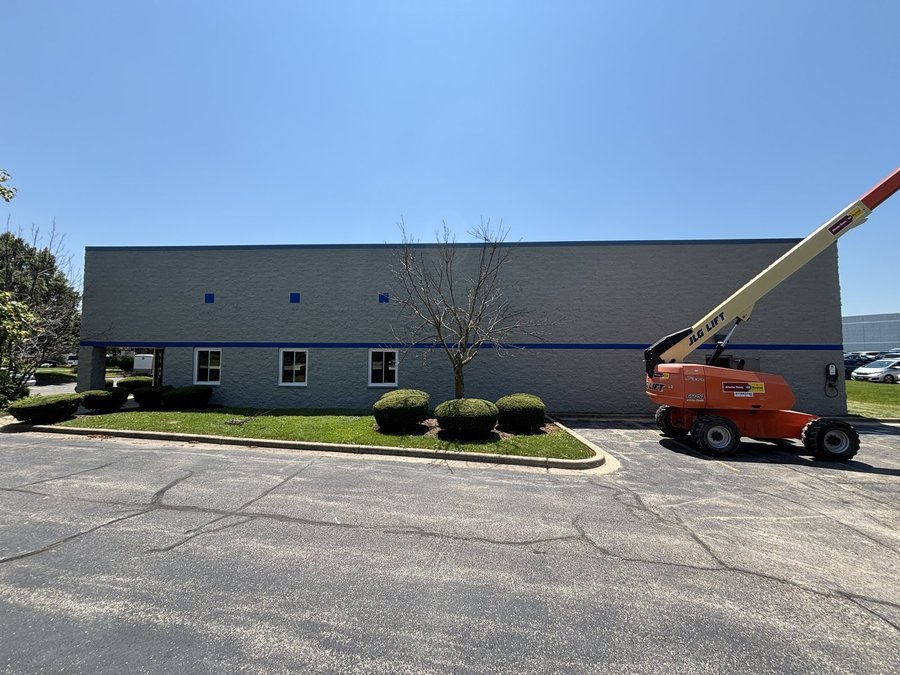
Parapets are exposed on both faces and capped on top, which makes them the hardest-working and fastest-failing masonry on a commercial building. They're also what a city inspector or a prospective buyer looks at first.
We work with property managers, building owners, and multi-unit properties on façade restoration, repointing, brick replacement, waterproofing, and scheduled maintenance. Insurance documentation provided whenever your approval process requires it.
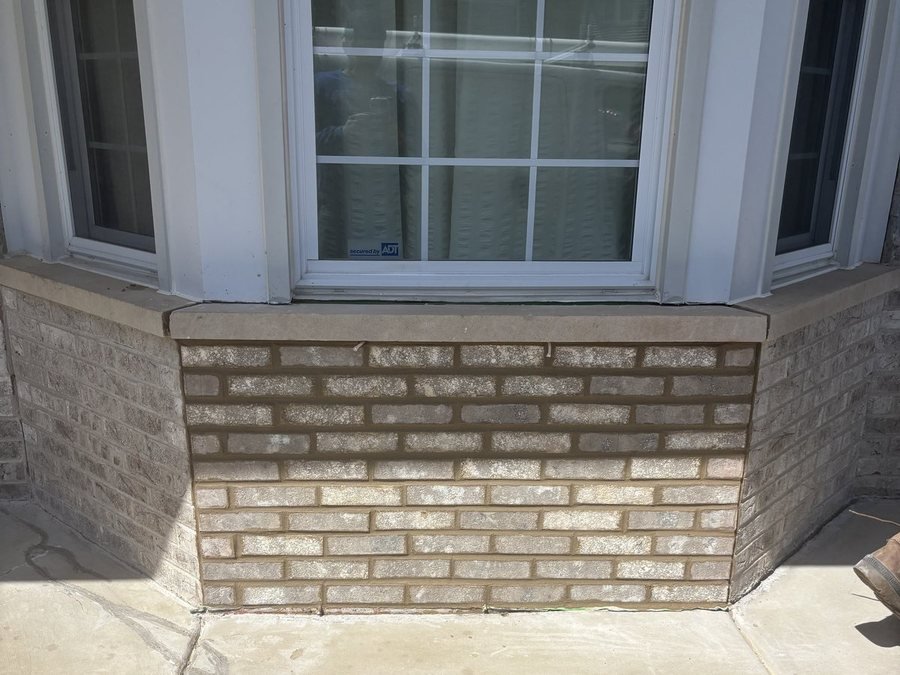
Not every crack is structural — but every crack is a path for water. The question is whether it's cosmetic, moisture-driven, or a sign the wall is moving, and those get fixed differently.
We assess what's actually causing it, then rout and repair the crack, replace spalled units, and restore the surface so the repair reads as part of the wall rather than a patch across it.
Every property is different, so there's no one-size price. Here's what we look at when preparing your free written estimate.
The number of joints or square footage that needs attention.
Isolated repairs versus widespread deterioration across a wall or structure.
Ground-level work versus scaffolding, ladders, or difficult access.
Sourcing brick, stone, or mortar to complement the existing masonry.
Issues sometimes found once the old mortar or brick comes out.
Seasonal conditions that affect installation and proper curing.
Send the property address, a short description, and a few photos. A member of the family reviews it and helps determine the right next step — often the same day.
Request My Free EstimatePre-purchase or inspection-style evaluations may carry a fee.
You don't need to diagnose the problem yourself. Send us the property address, a brief description, and any photos — we'll help determine the next step.
Request an Estimate